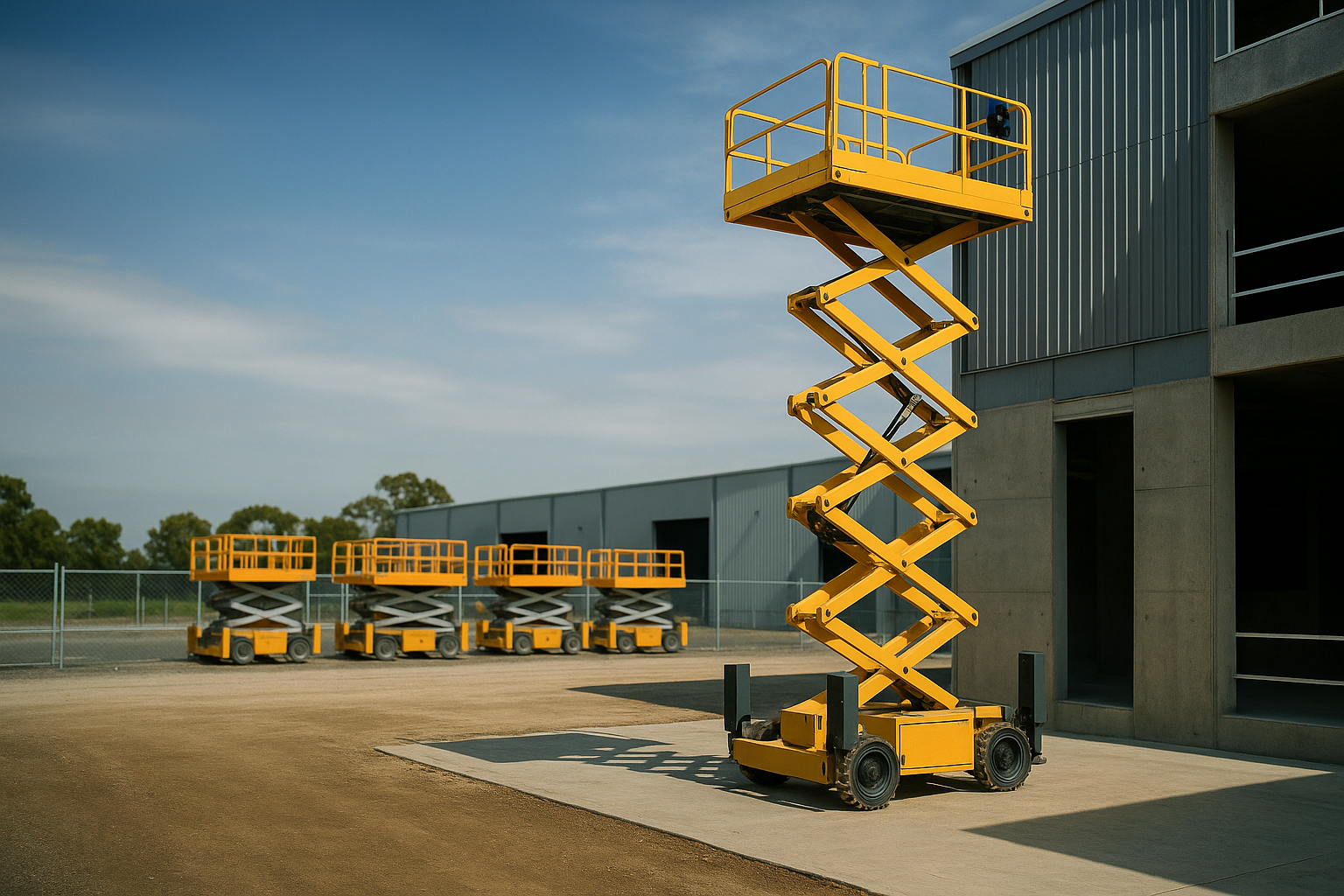
Scissor Lift Hire vs Buy: Which Option Saves You More?
Choosing between hiring and buying a scissor lift is one of those decisions that looks simple on the surface but can quietly cost your business thousands of dollars if you get it wrong. Buy when you should have hired, and you’re sitting on a depreciating asset you barely use. Hire when you should have bought, and you’re bleeding money on daily rates that add up faster than you’d expect.
The short answer is this: hiring a scissor lift is generally more cost-effective if you need one for fewer than 60–80 days per year. If your usage is consistent and exceeds that threshold, buying, or financing a purchase, will typically deliver better long-term value.
But that rule of thumb only tells part of the story. Hidden costs, compliance obligations, cash flow considerations, and the type of work you do all influence the right answer for your specific situation. This guide walks you through a complete cost comparison, a real break-even calculation, and a practical decision framework so you can make the call with confidence.
Scissor Lift Hire vs Buy: The Core Difference
What Does Scissor Lift Hire Mean?
Scissor lift hire means renting a machine from a hire company for a defined period, typically daily, weekly, or monthly, without taking on ownership of the asset. Most hire agreements include servicing, compliance certification, and often delivery and collection. You pay for access to the equipment, not the equipment itself.
Short-term hire suits single projects or variable workloads. Some suppliers also offer long-term hire arrangements (three to twelve months), which can bridge the gap between casual hiring and outright ownership while keeping capital expenditure off your books.
What Does Buying a Scissor Lift Involve?
Buying a scissor lift means either purchasing the machine outright or acquiring it through a finance arrangement such as a chattel mortgage, hire purchase, or lease-to-own agreement. Once you own the asset, you take on full responsibility for servicing, insurance, storage, compliance, and transport between job sites.
New machines come with manufacturer warranties and a known service history. Second-hand equipment is cheaper upfront but carries the risk of unknown wear, unreported damage, or outdated compliance certifications, all of which can generate unexpected costs.
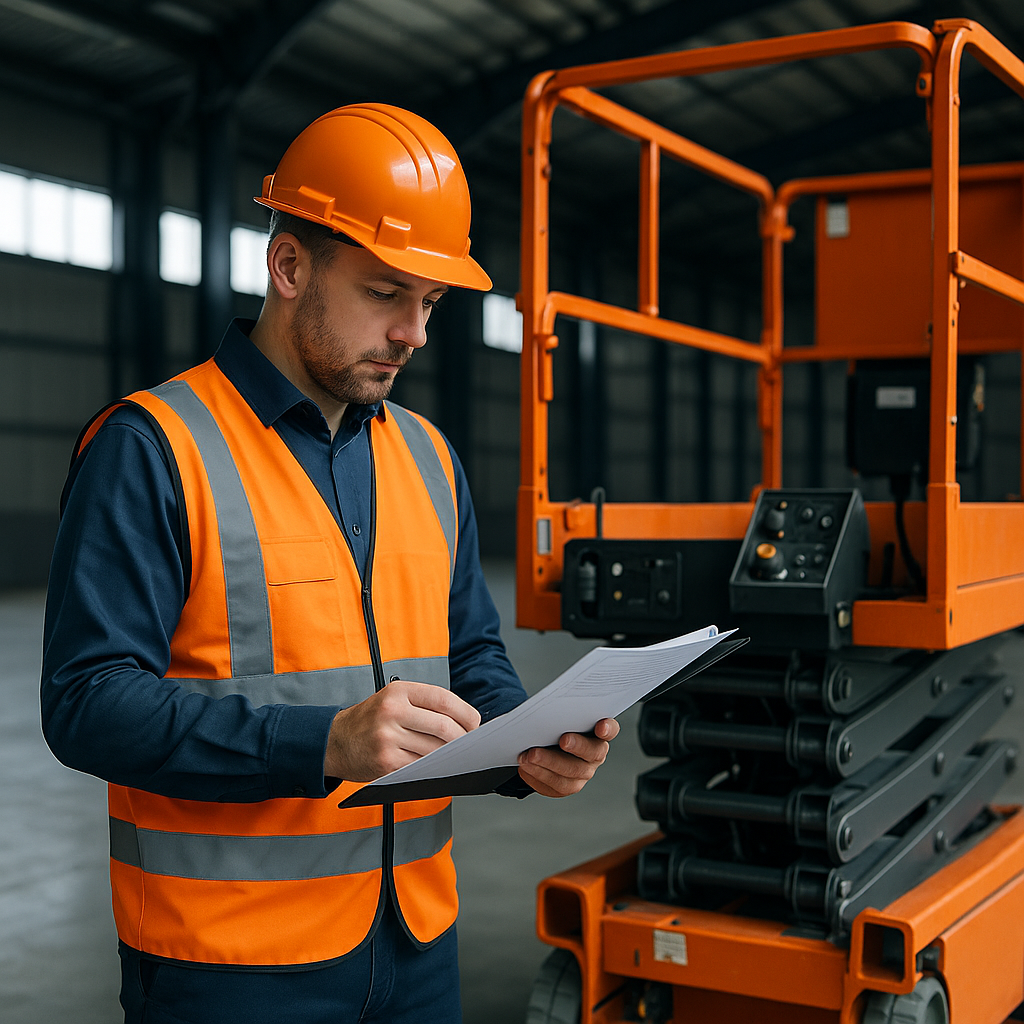
Cost Comparison: Hiring vs Buying a Scissor Lift
Scissor lift hire rates in Australia typically range from $200 to $600 per day, depending on the machine type, working height, and your location. Weekly and monthly rates offer better value for longer-term needs, as most hire companies apply a discount structure.
The table below shows indicative hire rates across common scissor lift categories. For a fuller breakdown of hire costs in Australia, including what’s typically included and what to watch for in quotes, see our detailed cost guide.
| Hire Period | Slab/Electric (Small, 6–8m) | Rough Terrain (Large) |
|---|---|---|
| Daily | $200–$350 | $350–$600 |
| Weekly | $600–$900 | $900–$1,500 |
| Monthly | $1,800–$3,000 | $3,000–$5,500 |
All prices are approximate, in AUD, and vary by region, supplier, and machine specification.
Most hire quotes include the machine in a compliant, serviced condition. What’s often excluded, and worth confirming before you book, includes delivery and collection fees, fuel costs (for diesel machines), and any damage waiver excess.
How Much Does It Cost to Buy a Scissor Lift?
Purchase prices for scissor lifts in Australia range from around $15,000 for a small second-hand electric unit to well over $100,000 for a new rough terrain model. The table below covers the main categories:
| Type | New Price (AUD) | Used / Second-Hand (AUD) |
|---|---|---|
| Electric Scissor Lift (Small, 6–8m) | $15,000–$30,000 | $8,000–$18,000 |
| Electric Scissor Lift (Mid, 10–12m) | $30,000–$55,000 | $15,000–$30,000 |
| Rough Terrain Scissor Lift | $50,000–$100,000+ | $25,000–$60,000 |
All prices are approximate and in AUD. New prices reflect current market ranges; second-hand prices depend heavily on age, condition, and service history.
The purchase price is only the starting point. What the sticker price doesn’t tell you is the full annual cost of owning and operating the machine, and that’s where many businesses underestimate the true financial commitment.
What Are the Hidden Costs of Owning a Scissor Lift?
The most significant hidden costs of owning a scissor lift are ongoing servicing and maintenance, insurance, storage, compliance inspections, and depreciation. Collectively, these can add 20–40% to your effective annual cost of ownership beyond the purchase price alone.
Here is a breakdown of what to account for:
- Servicing and maintenance: Budget approximately $1,500–$3,500 per year for routine servicing, parts, and repairs. Older machines or high-use equipment will sit at the higher end.
- Insurance: Public liability and asset cover for a scissor lift typically adds $800–$2,000+ per year depending on your policy and usage context.
- Storage costs: If you don’t have a dedicated yard, you’ll need covered or secure storage, whether that’s a facility rental cost or the opportunity cost of your own yard space.
- Compliance and inspection fees: Under Australian standards (including AS 2550 and relevant EWPA guidelines), mobile plant requires documented pre-start checks and periodic formal inspections. Budget $300–$600+ per year for inspection and logbook compliance.
- Depreciation: Scissor lifts typically depreciate at 15–25% per year, reducing asset value and affecting your balance sheet and eventual resale price.
- Operator training and licensing: Any operator of a scissor lift above 11 metres working height requires a High Risk Work Licence (HRWL) in most Australian states. Training and licensing costs are separate from the machine itself.
- Transport and logistics: Moving a scissor lift between job sites requires a suitable trailer and tow vehicle, or a truck hire arrangement. Factor in fuel and time costs per mobilisation.
- Financing costs: If purchased on credit, interest charges add meaningfully to the total cost of ownership over the loan term.
What Are the Hidden Costs of Hiring a Scissor Lift?
Hiring isn’t without its own additional costs. Be aware of the following before assuming the quoted rate is your total outlay:
- Delivery and collection fees: Can add $100–$300 or more per hire, depending on distance and supplier policy
- Fuel surcharges: Applied by some suppliers, particularly on diesel machines
- Damage waiver or excess charges: If the machine is damaged on site, you may be liable for an excess even with a damage waiver in place
- Weekend or after-hours booking premiums: Urgent or out-of-hours bookings often attract additional fees
- Late return penalties: Returning a machine late can trigger additional day charges at the full daily rate
The headline hire rate rarely tells the full story on either side. Always request a fully itemised quote before making cost comparisons.
Break-Even Analysis: When Does Buying Beat Hiring?
Here is a straightforward framework for calculating the point at which buying becomes more cost-effective than hiring a scissor lift:
Determine your total annual ownership cost.
Divide the purchase price by the expected asset life (in years), then add your estimated annual running costs (servicing, insurance, storage, compliance, transport).
Determine your equivalent annual hire cost.
Multiply your expected number of use days per year by the applicable daily hire rate.
Find the crossover point.
The break-even point is the number of use days at which your annual ownership cost equals your annual hire cost.
Apply to your situation.
If your actual usage is projected to exceed the break-even number of days, consistently, over multiple years, purchasing is the more cost-effective option.
A $30,000 electric scissor lift with a 7-year useful lifespan and $3,000 per year in running costs results in a total annual ownership cost of approximately $7,300 per year ([$30,000 ÷ 7] + $3,000). At a hire rate of $250 per day, you would need to use the lift for at least 29 days per year just to break even, and that’s before financing costs. If you’re borrowing to purchase, add interest charges, which could push the break-even threshold to 40 or more days annually.
For a rough terrain model at $70,000 with $5,000/year in running costs over a 7-year life, the annual ownership cost rises to approximately $15,000. At $450/day hire, you’d need around 33 days per year to break even, though again, financing costs change this significantly.
General Rule of Thumb for the Hire vs Buy Decision
As a general rule: if you need a scissor lift for more than 60–80 days per year on a consistent, ongoing basis, purchasing is likely to deliver better long-term value. If your usage falls below that threshold, or fluctuates significantly year to year, hiring is typically the more cost-effective and operationally flexible choice.
When Should You Hire or Buy?
When Should You Hire a Scissor Lift?
Hiring is the better option in most of the following situations:
- You have a single project or short-term need: days to weeks of work don’t justify a capital purchase
- Your work is seasonal or intermittent: if you only need elevated access during certain times of the year, owning a depreciating asset in the off-season is costly
- You need different lift types for different jobs: hiring lets you access an electric slab lift for an indoor fit-out and a rough terrain unit for an outdoor construction site, without owning multiple machines
- You want to avoid capital expenditure: keeping the cost as an operational expense preserves working capital and simplifies your balance sheet
- You don’t have storage or transport capacity: if you don’t have a yard or a trailer rated for the machine’s weight, hire removes those logistical headaches
- You want maintenance and compliance managed by someone else: hire companies maintain their fleets to regulatory standards, reducing your administrative burden
- You’re a startup or growing business managing cash flow: operational hire costs are predictable and avoidable when work dries up; asset repayments are not
When Should You Buy a Scissor Lift?
Buying makes financial sense when:
- You use a scissor lift consistently, at 60 or more days per year: at that frequency, ownership cost per day drops well below hire rates
- You have a stable, predictable workflow: if elevated access work is core and ongoing, ownership provides cost certainty
- You need specialised equipment not readily available for hire: some configurations have limited hire availability, particularly in regional areas
- You have secure storage, transport capability, and a qualified operator on staff: ownership only makes operational sense if the infrastructure is in place
- You want to generate revenue by sub-hiring to other contractors: if your machine sits idle between your own jobs, hiring it out can offset your ownership costs significantly
- Your business is scaling and access equipment is central to your service offering: owning your fleet can strengthen your positioning and reduce operational dependency on third parties
- You can take advantage of Australian tax depreciation provisions: depending on the tax year and your business structure, the instant asset write-off or accelerated depreciation rules may make a purchase materially more attractive. Confirm the current thresholds and eligibility with your accountant, as these provisions are subject to change under ATO guidelines.
Pros and Cons Summary Table
| Factor | Hire | Buy |
|---|---|---|
| Upfront cost | Low | High |
| Flexibility | High | Low |
| Long-term cost (high use) | Higher | Lower |
| Maintenance responsibility | Hire company | Owner |
| Compliance management | Hire company | Owner |
| Storage required | No | Yes |
| Access to latest models | Yes | No (unless you upgrade) |
| Cash flow impact | Operational expense | Capital expenditure |
| Tax treatment | Fully deductible hire cost | Depreciation / asset write-off |
| Best for | Occasional or varied use | Frequent, consistent use |
Compliance, Licensing, and Safety Considerations
Who Is Responsible for Compliance When You Hire?
When you hire a scissor lift, the hire company is responsible for maintaining the machine to current regulatory standards, including pre-delivery inspections, service logbooks, and certification that the machine meets Australian Standards such as AS 2550 (Cranes, hoists and winches, Safe use) and relevant EWPA guidelines.
However, the operator’s compliance obligations remain your responsibility. In most Australian states, operating a boom-type elevated work platform (EWP) over 11 metres requires a High Risk Work Licence (HRWL) issued under the relevant state Work Health and Safety (WHS) framework. Under 11 metres, operators must still be trained and competent, typically demonstrated through an EWPA Yellow Card or equivalent formal training. For full guidance on how to operate a scissor lift safely, including pre-start checks and operator obligations, refer to our dedicated safety guide. Refer to Safe Work Australia and your state regulator for current requirements.
Who Is Responsible for Compliance When You Own?
If you own the machine, compliance responsibility sits entirely with you. This includes:
- Maintaining a service and inspection logbook in line with AS 2550 requirements
- Conducting documented pre-start checks before every use
- Ensuring the machine meets current EWPA operational standards
- Managing any registration or movement permits required for road transport
- Ensuring all operators hold the appropriate licence or verified training
Operator licensing is mandatory regardless of whether the machine is hired or owned, this is a separate cost and obligation that applies universally. The Elevating Work Platform Association (EWPA) is the key industry body for training standards and operator certification guidance in Australia.
How to Choose the Right Option: A Decision Framework
Use this framework to guide your decision based on your specific situation:
Estimate your annual use in days.
- Fewer than 30 days/year: hiring is almost certainly more cost-effective
- 30–80 days/year: do a break-even calculation using the framework above; the answer depends on the machine type and your hire rate
- More than 80 days/year: buying is likely to deliver better long-term value
Assess your capital position.
Can you fund a purchase without straining working capital? If not, is finance available at a rate that still makes buying viable after interest costs?
Evaluate your operational infrastructure.
Do you have secure storage, a qualified operator on your team, and transport capability? If not, ownership introduces costs and complexity that may offset the financial advantage.
Step 4: Consider the consistency of your workload.
If your elevated access needs are predictable and stable, buying is more defensible. If they fluctuate significantly between projects, hiring preserves flexibility.
Step 5: Factor in tax implications.
Talk to your accountant about whether an instant asset write-off or depreciation schedule makes a purchase more attractive in the current financial year under ATO guidelines for plant and equipment.
Making the Decision That’s Right for Your Business
There is a clear break-even point in the scissor lift hire vs buy decision, and for most businesses with irregular, seasonal, or low-frequency elevated access needs, hiring comes out ahead. The flexibility, reduced compliance burden, and zero capital outlay make it the default-right choice for the majority of trade businesses, small contractors, and project-based operators.
Buying makes compelling financial sense once your usage climbs above the 60–80 day per year threshold consistently, and only when you have the operational infrastructure, storage, transport, trained operators, to support ownership without generating hidden costs that erode the financial advantage.
The best next step is to run your own numbers using the break-even framework in this guide. If you’re leaning toward hiring, request a detailed quote from a reputable scissor lift hire company that itemises delivery, inclusions, and any additional fees, so you’re comparing like for like. If you’re seriously considering a purchase, speak with your accountant about the current tax treatment of plant and equipment before committing.
Getting this decision right isn’t complicated, but it does require working with real numbers specific to your situation, not just a gut feeling about what seems cheaper.