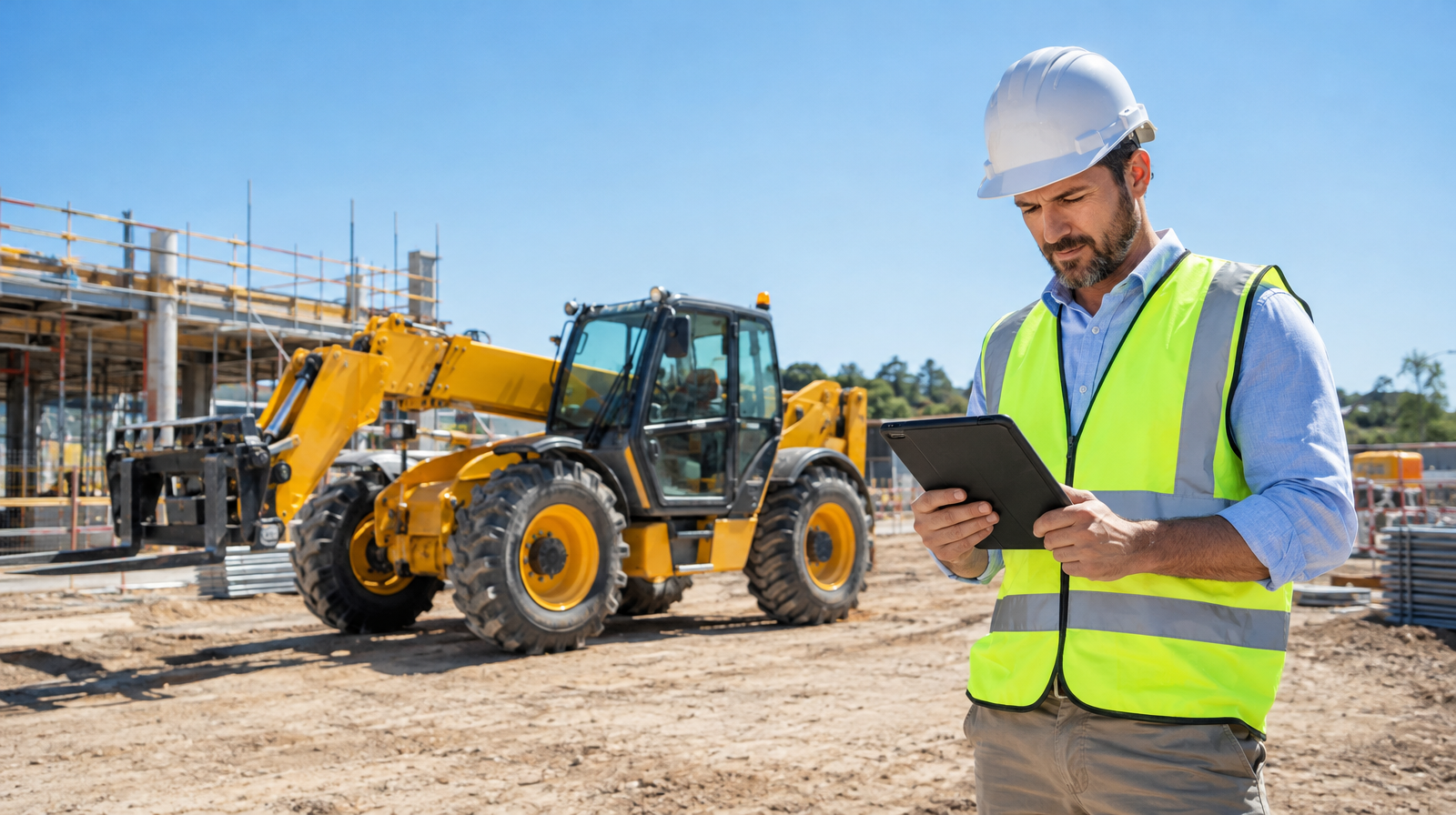
Telehandler Financing Costs: What Australian Businesses Need to Know
If you need a telehandler regularly and are weighing whether to finance a purchase or keep hiring, you’re asking the right question. The answer depends on how often you use the machine, your business structure and what the total cost of finance actually looks like. This guide covers the main finance options available in Australia, typical costs, what documents you’ll need and when hiring may make more practical sense than taking on a loan.
What Is a Telehandler?
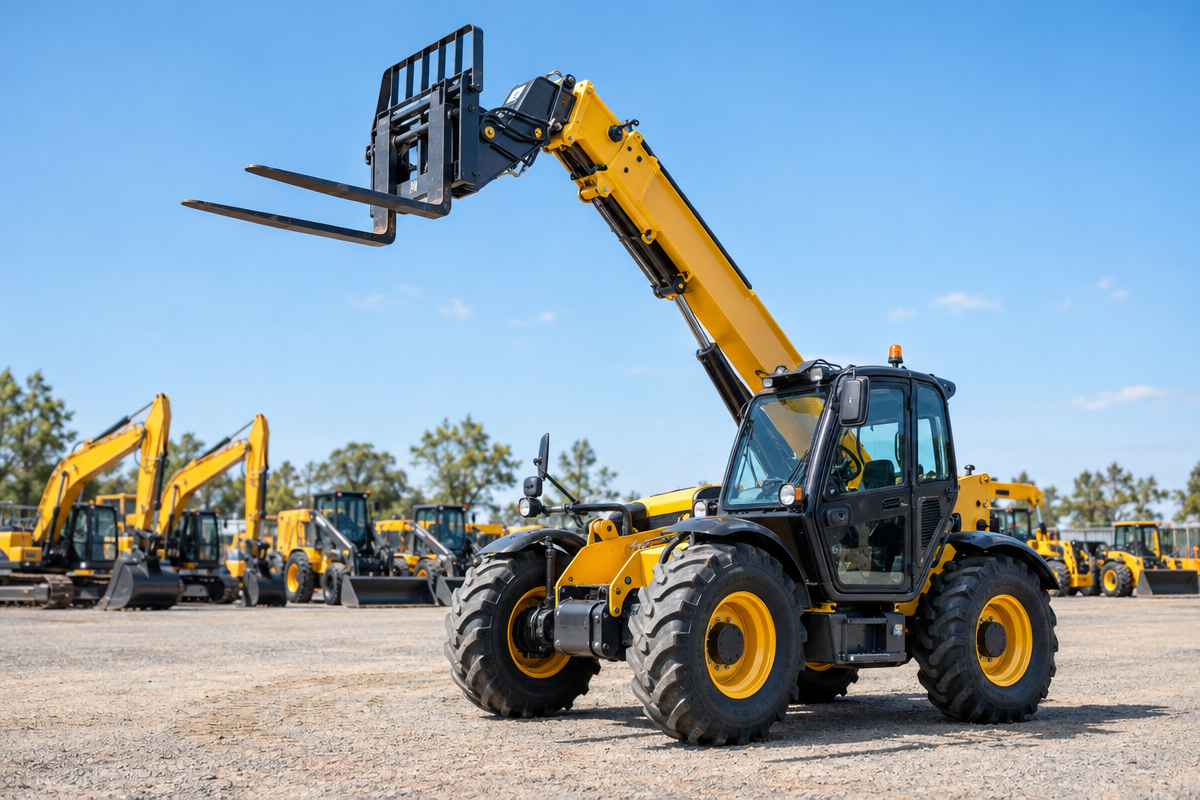
A telehandler (also called a telescopic handler) is a versatile lifting machine fitted with an extendable boom arm. Unlike a standard forklift, the boom can reach forward and upward at the same time, giving it far greater flexibility on uneven or confined sites.
Telehandlers typically lift between 2.5 and 5 tonnes and reach heights of 6 to 20 metres depending on the model. They can be fitted with forks, buckets, work platforms or lifting hooks depending on the task.
Common applications include:
- Construction and civil works sites
- Agricultural and rural properties
- Warehousing and logistics operations
- Industrial maintenance and shutdown work
- Roofing, cladding and structural steel installation
Why Australian Businesses Consider Financing a Telehandler
Telehandlers represent a significant capital purchase. New machines in Australia typically cost between $80,000 and $250,000 or more, depending on lift capacity, reach and brand. Used machines generally range from $40,000 to $120,000.
Paying cash outright ties up working capital that many businesses need for materials, labour and overheads. Financing spreads that cost over time, preserves cash flow and may offer tax advantages depending on the finance structure you choose.
Businesses that use a telehandler frequently often find financing more cost-effective than ongoing hire over a multi-year period. However, businesses with project-based or seasonal needs often find short-term hire more practical when you factor in insurance, maintenance and depreciation.
The right answer depends on your usage patterns and financial position.
Telehandler Finance Options Available in Australia
Australian businesses have several finance structures available when purchasing a telehandler. Each suits different business types and cash flow requirements.
Typical Telehandler Financing Costs in Australia
The total cost of financing a telehandler depends on the purchase price, loan term, interest rate, deposit and any balloon or residual value. The table below provides indicative figures based on current Australian market conditions.
| Variable | Typical Range |
|---|---|
| New telehandler purchase price | $80,000 to $250,000+ |
| Used telehandler purchase price | $40,000 to $120,000 |
| Loan term | 24 to 60 months |
| Indicative interest rate (commercial) | 6% to 12% per annum |
| Deposit requirement | 10% to 30% of purchase price |
| Balloon or residual value | 0% to 30% of purchase price |
| Monthly repayment (example: $120,000 over 48 months at 8%) | Approximately $2,900 to $3,200 per month |
Factors that influence the rate you’re offered include:
- Your business credit history
- ABN and trading history length
- Whether the loan is secured against the equipment or other assets
- The age and condition of the telehandler being financed
- Your current debt obligations
What Documents Do You Need for a Telehandler Equipment Loan?
Lenders assess your business’s ability to repay before approving equipment finance. Preparing your documents in advance can speed up approval.
Most lenders will ask for the following:
- ABN and ACN registration documents
- Last two years of business financial statements (profit and loss and balance sheet)
- Last two years of personal and business tax returns
- Most recent Business Activity Statements (BAS)
- Three to six months of business bank statements
- A quote or invoice for the telehandler from the seller or dealer
- Details of any existing loans or finance agreements
- Photo identification for all directors or business principals
- Details of any security assets if you are applying for a secured loan
Some lenders offer low-doc finance to ABN holders with a strong credit history. This typically requires less documentation but usually comes with a higher interest rate. It may suit newer businesses or those without two full years of financials available.
Sole traders and partnerships can access equipment finance but may face slightly different documentation requirements than a company structure. A commercial finance broker can help you understand what each lender will need based on your specific situation.
Can a Sole Trader or Small Business Finance a Telehandler?
Yes. Sole traders and small businesses can access equipment finance in Australia, provided they meet lender eligibility criteria.
Most lenders require:
- A minimum ABN registration period, often 12 to 24 months
- GST registration (required or strongly preferred by most lenders)
- Supporting financial documents as listed above
Low-doc options are available for sole traders with limited financial records, though these typically carry higher interest rates to offset lender risk.
If you are a sole trader or a small business with a straightforward structure, working with a commercial finance broker who has experience with heavy equipment can help you identify lenders that are more likely to approve your application and offer competitive terms.
Hire Versus Finance: Which Makes More Sense for Your Business?
This is one of the most practical questions to ask before committing to equipment finance. The right answer depends on how often you use a telehandler and what your total cost of ownership looks like over time.
| Factor | Short-Term Hire | Long-Term Finance |
|---|---|---|
| Upfront cost | Low (bond and first payment only) | Deposit of 10% to 30% required |
| Ongoing cost | Higher per-day or per-week rate | Fixed monthly repayment |
| Ownership | No | Yes (at term end under chattel mortgage) |
| Maintenance responsibility | Hire company | You as the owner |
| Flexibility | High (return when job is done) | Lower (locked into loan term) |
| Best suited to | Project-based or infrequent use | Regular, ongoing operational need |
| GST treatment | Claimed on each hire invoice | Varies by finance structure |
| Equipment currency | Always current fleet managed by hire company | Your asset depreciates over time |
As a general guide, businesses using a telehandler fewer than 60 to 80 days per year often find short-term hire more cost-effective when you factor in finance repayments, insurance premiums, servicing, registration and depreciation.
For businesses with consistent, ongoing telehandler use across multiple projects, financing a purchase can reduce the effective cost per hour over a multi-year period.
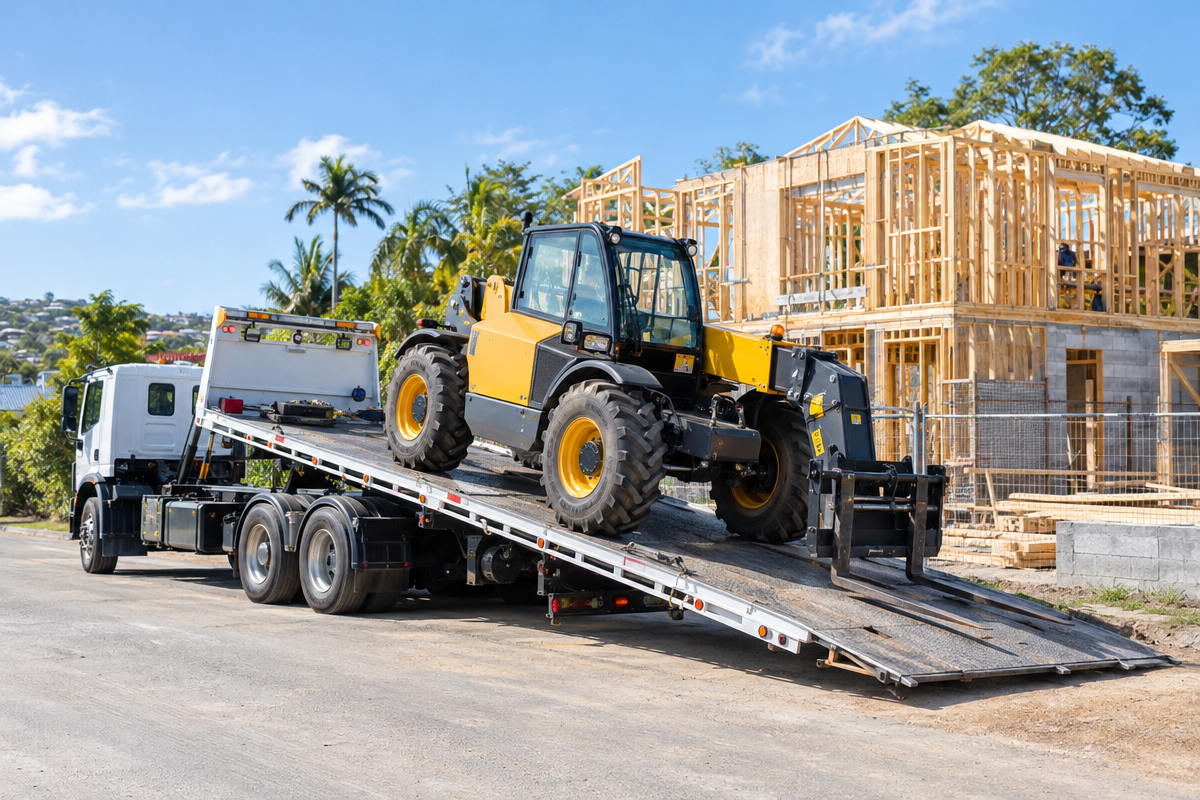
If your telehandler needs are project-based or seasonal, telehandler hire in Brisbane through a reputable equipment company removes the financial commitment of a loan and transfers maintenance and storage responsibility to the hire provider. Brisbane Scissor Lift Hire has supported construction and industrial teams across the region since 1997 and can help you assess what suits your current project load.
Tax Considerations for Telehandler Finance in Australia
Tax treatment varies depending on the finance structure you choose. The following is a general overview only. Consult a registered tax agent or accountant for advice specific to your business.
The Australian Government’s instant asset write-off scheme has allowed eligible businesses to immediately deduct the cost of certain assets in the year of purchase, rather than depreciating over time. Thresholds and eligibility conditions have changed over recent years.
How to Find a Lender for Telehandler Finance in Australia
You have several channels available when looking for equipment finance:
When selecting a broker, look for one accredited with the MFAA (Mortgage and Finance Association of Australia) or the FBAA (Finance Brokers Association of Australia). Accreditation indicates the broker operates under an industry code of conduct and has met competency requirements.
Standard advice is to compare at least three lender quotes before signing any finance agreement.
Frequently Asked Questions
Can you finance a telehandler in Australia?
Yes. Australian businesses can finance a telehandler through several structures including chattel mortgages, finance leases and operating leases. Most lenders require an active ABN, a minimum trading history and supporting financial documents.
What financing options are available for telehandlers?
The three main options are a chattel mortgage, a finance lease and an operating lease. Each has different implications for ownership, GST treatment and tax deductibility. A commercial finance broker can help you identify which structure suits your business.
What does it cost to finance a telehandler?
Total financing costs depend on the purchase price, interest rate, loan term and deposit. For a $120,000 telehandler financed over 48 months at 8% per annum, monthly repayments would be approximately $2,900 to $3,200. All figures are indicative. Obtain quotes from accredited lenders before committing.
What documents do you need for a telehandler equipment loan?
You will typically need your ABN and ACN details, two years of financial statements and tax returns, recent BAS, three to six months of bank statements, a quote for the equipment and identification for all directors or principals.
What is the difference between a chattel mortgage and a finance lease for equipment?
With a chattel mortgage, you take ownership of the equipment immediately and the lender holds it as security. With a finance lease, the lender retains ownership throughout the term and you have the option to purchase the equipment at the end for a residual value.
What interest rates apply to heavy equipment loans in Australia?
Commercial equipment loan rates in Australia generally range from around 6% to 12% per annum, depending on the lender, loan term, borrower credit profile and age of the equipment. These figures are indicative only.
Can a sole trader get equipment finance for a telehandler?
Yes. Sole traders can access equipment finance in Australia. Lenders will typically assess your ABN registration period, tax returns and financial statements. Some applicants can access low-doc options, usually at a higher interest rate.
Is it better to hire or finance a telehandler for a small business?
For businesses with regular, ongoing use, financing may be more cost-effective over time. For project-based or seasonal use, short-term hire avoids loan commitments and transfers maintenance responsibility to the hire company. Businesses using a telehandler fewer than 60 to 80 days per year often find hire more economical overall.